

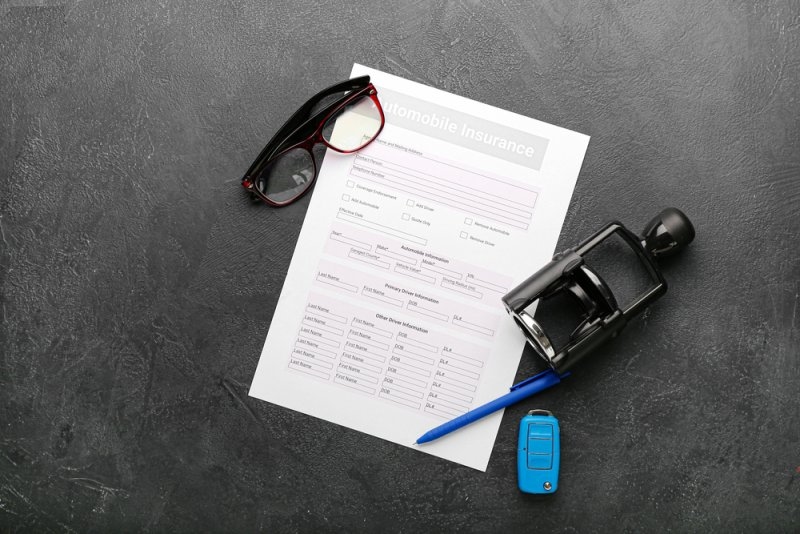
Your decision about auto insurance coverage can be quite overwhelming with all of the differing policies with multiple terms and coverage levels available. Understanding auto insurance will help you get a good start in making an appropriate choice regarding your auto insurance based on how you drive and how much you’re able to pay.
For your choices for auto insurance, such as comprehensive, liability, and collision, you will find out the uses and purposes for the different kinds to avoid an unexpected price tag post an automobile wreck.
Auto insurance will protect you against loss of money in various situations while you're on the road. Whether it is from a minor collision, an enormous repair, or a stolen vehicle, the right auto insurance coverage policy will save you money out of pocket. Each driver is exposed to different dangers, which means their insurance needs will vary as well.
Knowing the fundamentals of auto insurance will educate you on what your policy includes and what situations might require an alternative approach to your policy. A basic policy can protect against damage you cause to another person, while add-ons to your auto insurance policy can protect your personal vehicle.
When drivers know what their auto insurance coverage plan contains, they can avoid paying extra money for coverage that isn't needed and at the same time remain protected for any incidents.
Liability insurance is one of the most common types of insurance in an auto insurance policy. This auto insurance coverage can protect against monetary loss when you're responsible for an accident where another party suffers injuries, or their property is damaged. Due to how expensive accidents can get, this auto insurance is often the most useful.
There are typically two types of insurance coverage plans for liability insurance: bodily injury and property damage. Bodily injury auto insurance helps pay medical costs and other damages for those injured, whereas property damage auto insurance pays for repairs to the property that was damaged.
Though liability auto insurance does not pay for damage to your own car, many consumers buy add-on policies like collision or comprehensive insurance coverage options to enhance their insurance coverage.
Collision auto insurance helps to pay for repairs to your vehicle after the automobile has been involved in a situation such as hitting another car, striking an object, or being in a rollover. Collision insurance is generally beneficial for those who own newer, higher-value cars.
Collision insurance is auto insurance coverage that can provide you with financial security after you pay for a repair, as not having collision insurance could mean you pay for damage entirely yourself. Costs for repairs may vary, so collision auto insurance would be of great value when dealing with unexpected repair costs.
While learning about the different types of auto insurance coverage, owners should consider the value of their vehicle, their financial limitations, and how they drive, to determine what coverage is best for them. Someone who owns a brand-new car likely requires collision coverage, whereas an individual with an older model that doesn't have much of a market value will likely not.
Comprehensive insurance coverage protects you in non-collision-related events such as your vehicle being stolen, vandalism, or even damage caused by nature or wild animals. This could be one of the best auto insurance coverages for any driver with a desire for a fuller level of coverage for their car.
Many may assume that insurance coverage for automobiles is only relevant for accidents, but car owners can face unexpected challenges that have nothing to do with a collision, such as severe weather that may damage a parked vehicle or theft of an automobile without a crash being involved.
Comprehensive insurance can add that piece of confidence you seek with the fact that your auto insurance covers the most unpredictable of circumstances. However, owners must make sure that the cost does not exceed the vehicle's worth.
There are various points that you may wish to analyze when it comes to purchasing insurance coverage: the make, model, and year of your vehicle, the number of miles you tend to drive, where you live, what your monthly payment should be, and your financial capacity.
The importance of these aspects can include:
When you examine the auto insurance coverage basics, you can make sure to invest in protection that is within your financial limits while ensuring that you are sufficiently covered. Auto insurance at a lower cost might mean less expensive monthly payments, yet it can cost you a lot more in damage.
Your individual auto insurance coverage needs may alter over time, so reviewing your policy routinely is a smart choice. If you get a new automobile, have moved, are driving more than you used to, or have been added as a driver to a policy, you may need to alter your auto insurance.
During a policy review, you should examine the liability insurance coverage limits and collision and comprehensive insurance coverages as well. Be certain that the coverage that you purchased still suits you in your current state of life. Comparing with alternatives can also ensure that you obtain great value for your coverage. Finding the cheapest insurance coverage is not the goal of the auto insurance review process, but instead securing sufficient protection against costly mishaps.
When selecting your auto insurance coverage options, drivers may be confused about which policy will serve them best; learning about the auto insurance coverage basics, including liability, collision, and comprehensive auto insurance coverage, is vital for obtaining the proper protection. Auto insurance can save you a lot of hassle if something unexpected should occur.
Auto insurance plans vary, but may offer defense for damage or damage done to others in the form of liability insurance. Drivers can likewise enhance coverage with optional features like collision and comprehensive protection, although details and options will depend on the plan.
It might be helpful to have the option to provide defense against elements like theft or vandalism, even if it isn’t necessary for the vehicle. Drivers may consider purchasing comprehensive insurance coverage more worthwhile for vehicles with more recent technology and a higher overall worth.
Drivers can make great strides in minimizing the price of an auto insurance policy by shopping around, focusing on accident records, selecting an optimum deductible, and eliminating coverage they do not require. When you are looking to buy an auto insurance policy, be mindful that cutting costs doesn’t need to translate into losing essential defense – understanding what coverage typically consists of is a start.
Yes, however, not always all auto-fixings. Coverage for your vehicle can vary by policy. Auto insurance is likely not going to pay for 100% of your automobile repair costs because of your deductible, specific policy limitations, and exclusions.
This content was created by AI